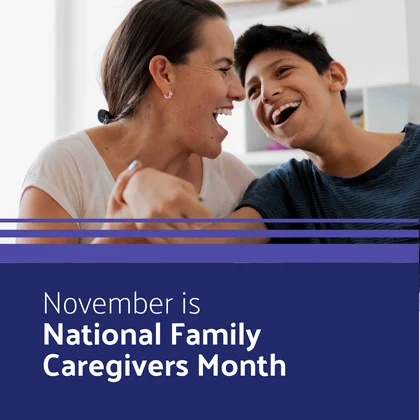
November is National Family Caregivers Month—a time to honor and celebrate the more than 63 million unpaid family caregivers in the US who provide care for their loved ones.
New research from AARP and the National Alliance for Caregiving reveals the impacts of the caregiving experience, uncovers stark differences in financial strain, care intensity, and available support across the country. With nearly one in four adults serving as family caregivers, the new state-by-state analysis offers the clearest picture yet of the challenges they face.
KANSAS:
In Kansas, three in ten adults (29%) are family caregivers, currently providing care to a family member or friend or had provided care within the past year—representing 647,00 adults in Kansas. Among caregivers, 67% were women and 32% men, their average age is 50, while the average age of the care recipient is 61. Nearly two-thirds of caregivers have also been working while fulfilling caregiver responsibilities.
What are Kansas family caregivers doing?
- 100% assist with instrumental daily activities like meal prep, administering medications, and managing finances
- 59% assist with daily living activities like bathing, dressing, and feeding
- 51% help with medical and nursing tasks
- 48% engage in high-intensity caregiving (more hours and higher complexity of care)
- 35% provide at least 40 hours of care per week or constant round-the-clock care
The role of caretakers can come at a cost. More than half of Kansas caregivers have experienced at least one negative financial impact such as taking on more debt, stopping saving, or being unable to afford basic expenses. About 47% of caregiving adults report moderate to high levels of emotional stress, and 34% share they receive no help with caregiving duties (either paid or unpaid).
MISSOURI:
The number of caregivers is almost double in Missouri at 1,224,000, or one quarter of adults in the state. The gender divide is closer—with 58% of caregivers identifying as women, and 42% men. The average age of a caregiver is 53, while those they provide care for are, on average, 66 years old. More than half—55%–of caregivers also worked while caregiving.
As for the toll it all takes on Missouri caregivers—49% have experienced at least one negative financial impact such as taking on more debt, stopping saving, or being unable to afford basic expenses. About 40% of caregiving adults report moderate to high levels of emotional stress, and the same number share they receive no help with caregiving duties (either paid or unpaid).
What are Missouri caregivers doing?
- 99% assist with instrumental daily activities like meal prep, administering medications, and managing finances
- 69% assist with daily living activities like bathing, dressing, and feeding
- 58% help with medical and nursing tasks
- 42% engage in high-intensity caregiving (more hours and higher complexity of care)
- 26% provide at least 40 hours of care per week or constant round-the-clock care
Through a partnership launched earlier this year with United Way, 211 and AARP, we’re connecting caregivers to personalized, one-on-one support. Simply by calling 211, you can be connected to tailored AARP resources covering a wide range of topics, along with direct connections to local resources. In 2025, 1.3M caregivers have received support and access to resources across the country. More than 350,000 referrals have been made via 211 for caregiving needs, and 14.6M caregivers have access to the Caregiver Support program through 211.
The program takes a holistic approach, addressing caregiving-related concerns and challenges many caregivers face, such as housing, utilities, food assistance, and mental health. While these issues may not prompt their call, they’re often part of the demands of caregiving. To be connected to support, you can call 2-1-1 anytime. A caring Community Resource Specialist is available 24 hours a day, seven days a week. Service is available in 150 languages. It’s free and confidential.